The 4 PM Test: Why You Should Visit Knoxville Neighborhoods at the Wrong Time

Bart Franklin
Knoxville Real Estate Expert · 160+ Families Served
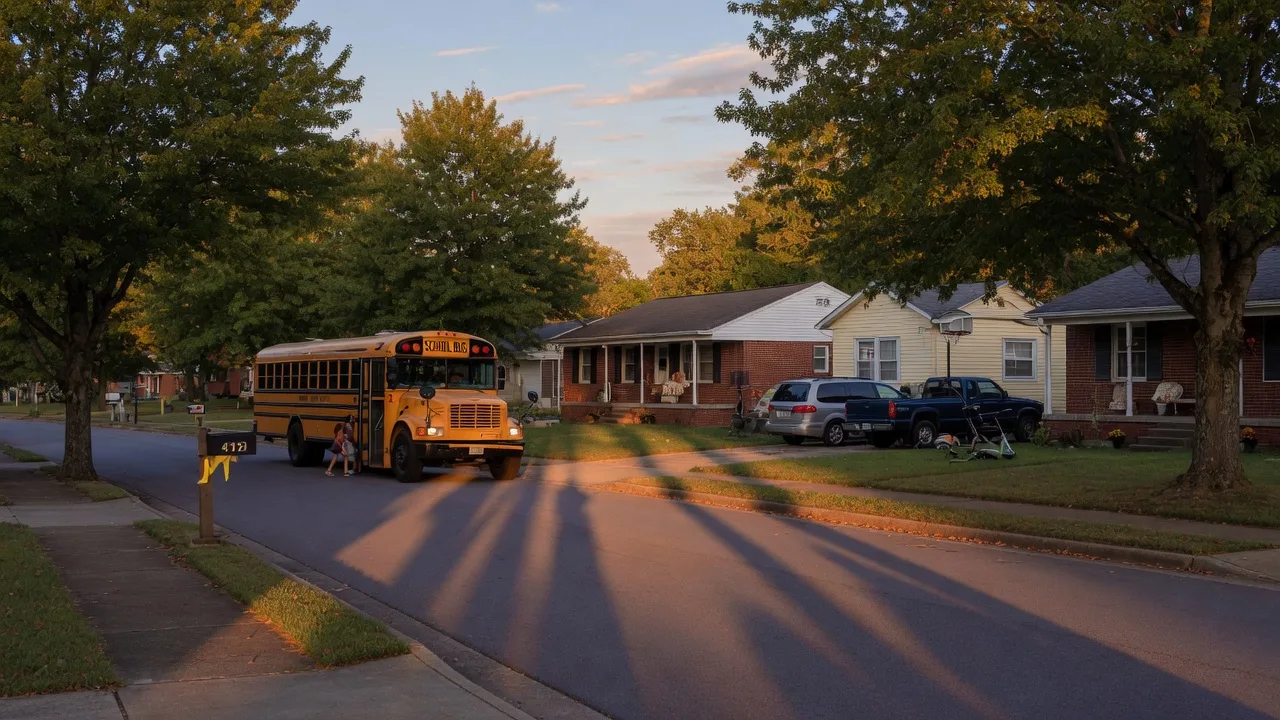
Most families who move to Knoxville fall in love with a neighborhood on a sunny Saturday afternoon, then drive that same street on a Tuesday at 4:30 and wonder if they toured the wrong town. The weekend version of a community, the school-bus version, the rush-hour version, and the game-day version are four different places wearing the same street signs. The mistake I see relocating families make more than any other is judging a neighborhood from exactly one visit, at exactly the wrong time of day.
The fix is simple and it is free: run the 4 PM test. Visit your shortlist on a weekday afternoon during fall or winter, when school is in session, the sun is low, the commuters are out, and the real rhythms of the block are on display. This guide explains what that test catches, what to look for in each Knoxville-area neighborhood, and why the current market gives you all the time you need to do it right.
The Mistake: One Visit, One Time of Day, One Impression
I understand why it happens. You fly in for a weekend house hunt, the agent lines up a full day of showings, and every neighborhood looks its best. Lawns are trimmed, traffic is light, and the front porches seem to glow in the Saturday sun. You fall for a house, write an offer, and only after you move in do you discover that the street turns into a parking lot at school drop-off, or that the freight train you never heard on the weekend runs through the block twice a night.
None of that means the neighborhood is bad. It means the neighborhood, like every neighborhood in Knoxville, is a collection of different experiences at different hours. A single weekend snapshot cannot tell you which one you are signing up for. The 4 PM test closes that gap, and it takes about two hours: one weekday visit to each neighborhood on your list, timed so the buses, the commuters, and the light are all at their most honest.
The Commute You Will Actually Drive
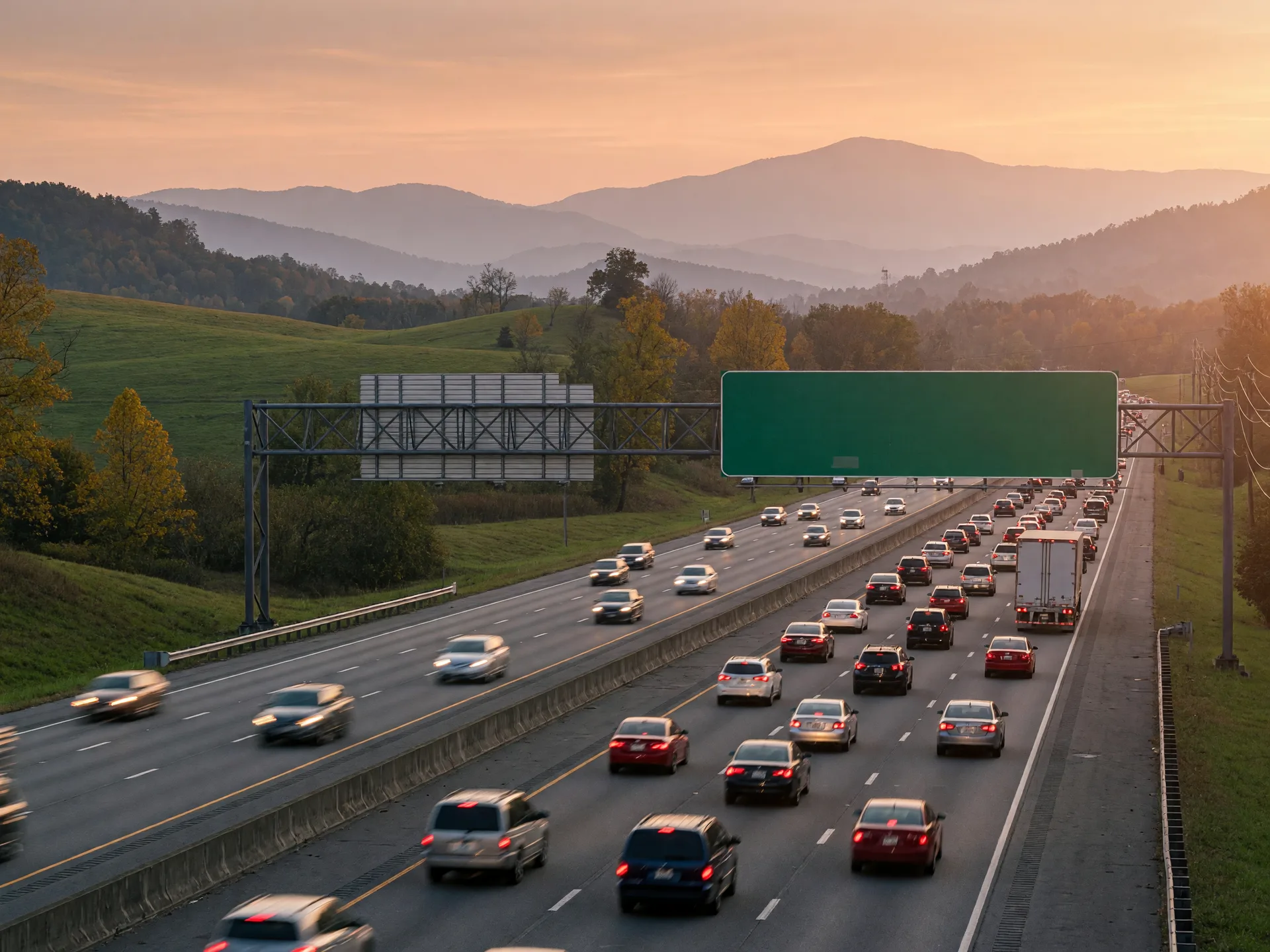
The single biggest thing a Saturday visit hides is the workday commute. Knoxville's traffic is real, and it is concentrated on a few well-known corridors. If your potential job or family routine touches any of them, you want to know what 5 p.m. feels like long before you sign anything.
- I-40 through West Knoxville and Farragut: TDOT calls the section of I-40 from the I-640 interchange west through Farragut the busiest stretch of Interstate 40 in the nation, and the state has launched a study of widening or toll lanes to deal with it. Drivers report daily standstills roughly from 4 to 6 p.m., with heavy westbound backups in the morning as commuters head west from downtown.
- I-640, "Malfunction Junction": The knot where I-40, I-640, and I-275 meet has been a chronic choke point for decades, and the 2025 ATRI truck-bottleneck report ranked the I-40 at I-275 interchange among the worst truck-congestion sites in the country.
- Pellissippi Parkway (I-140): The four-lane parkway carries tens of thousands of vehicles a day and is the site of one of the region's worst bottlenecks. Locals who commute from areas like Louisville to Farragut, about 16 miles, report peak-hour drives anywhere from 30 minutes to 2 hours.
- Alcoa Highway (US-129): The main corridor to Maryville, Alcoa, and McGhee Tyson Airport is in the middle of the largest highway construction project in Tennessee history, a widening that was recently pushed to finish in 2030. Construction slowdowns and rolling roadblocks regularly add 20 to 30 minutes to that drive.
The TomTom Traffic Index puts Knoxville's average congestion level at about 22.5 percent, up slightly from the year before. A typical 10-kilometer drive, about 6.2 miles, takes roughly 11 minutes in the morning rush and about 13 minutes in the evening rush. That is not a nightmare city, but it is a city where maps lie: 6 miles on I-40 at 5:15 is not 6 miles at noon. If commute time is one of your top priorities, my Knoxville commute guide breaks down the real drive times from each suburb, and you should double-check any of them in person at rush hour before you commit.
The School Bus Test
If you have school-age kids, the 3 to 4 p.m. window is when a neighborhood tells you the truth about its elementary school. That is when buses run, carpool lines form, and crossing guards appear. A street that looks perfectly calm on Saturday can have a line of cars snaking around the block at dismissal, and a street that feels busy can be the one where the bus stops right at your driveway.
Here is the part most out-of-state buyers miss entirely: in Knoxville, the school your address is zoned for is a function of the exact property lines, not the subdivision name or the town limits. Two streets in the same development can feed different schools, and the boundaries shift when the county rezones to manage growth. Your first step is still the district's official zone lookup for the exact address, something I walk every relocating family through before we tour homes. The 4 PM test is how you see whether the zoned school's pickup pattern actually fits your work schedule.
The Sound Check: Trains and Planes
Weekends are quiet. Weekdays are not, and in Knoxville the two most common sounds that catch newcomers off guard are freight trains and aircraft.
Trains. Active freight lines cross the city through Norfolk Southern, CSX, and the Knoxville & Holston River Railroad, which operates over 26 miles of track inside the city. Roughly a dozen trains a day use the downtown mainline, and several at-grade crossings sit on residential streets, where engineers sound the horn as the law requires. Neighborhood groups have tried to establish federal quiet zones to reduce the horn noise at night, so far without success. If you are looking at a home near the tracks, near Jackson Avenue or the Central Street crossing downtown, or near any of the crossings the city has repaired on streets like Liberty, Third Creek, or Piney Grove Church, the 4 PM visit is when you will hear what you are buying.
Planes. McGhee Tyson Airport sits in Alcoa, about 12 miles south of downtown. Runway use depends on the wind, which means flight paths shift: on some days departures roll south over Alcoa and Maryville homes, and on other days operations on the north side bring traffic over the corridor toward Knoxville, including South Knoxville neighborhoods along Alcoa Highway. The airport runs under an FAA noise compatibility program with no curfews and no preferential runways, and it shares the field with the Air National Guard's 134th Air Refueling Wing, so the guard's big tanker aircraft are a regular presence too. Homes near Alcoa Highway in South Knoxville, or in the approach zones around Alcoa and Maryville, are genuinely convenient to the airport, and they are also the ones to test with the windows open.
The Game Day Test
Knoxville has its own version of a once-a-week rush hour, and it happens on Tennessee home football Saturdays in the fall. The city's official game-day guidance warns of heavy vehicle and pedestrian traffic across campus and the surrounding areas hours before kickoff, with temporary road closures and traffic controls. Cumberland Avenue and Neyland Drive see the heaviest congestion, and police run formal traffic plans, including reverse lanes on Neyland Drive after the game.
If you are buying close to campus, in neighborhoods like Fort Sanders, this is a lifestyle fact, not an inconvenience to discover later. Fort Sanders residents get police-directed traffic on game days, and plenty of them rent out their yards for parking, so the street you park on for a Saturday showing is not the street you will live on in October. A quick look at UT's 2026 home schedule tells you exactly which fall Saturdays to test, and even if you only catch one, it is worth the hour.
The Market Is Giving You Time to Do This Right
One more reason the 4 PM test is realistic right now: homes in Knoxville are sitting longer than they have in years. Redfin put the median sale price around $325,000 for the three months ending June 2026, up about 1.7 percent year over year, with the average home selling in roughly 52 days, while Zillow's average home value landed near $374,000 in late July. Inventory has risen, competition has cooled to about two offers per home on average, and the frantic 2022 pace of same-day offers is gone.
What that means for you is simple: in most price ranges, you have time to drive the commute at 5 p.m., stand on the corner at bus time, and come back on a game day before you write an offer. That luxury is exactly what the 4 PM test needs. Use it.
How to Run the 4 PM Test
Here is the exact checklist I give relocating clients, in the order I would do it:
- Pick a normal weekday in the fall or winter. School is in session, the leaves have thinned so you can see the houses, and the low sun shows you what the light really does. Avoid holiday weeks and spring-break weeks.
- Arrive between 3 and 4 p.m. Park a street or two away and walk in. Watch for buses, crossing guards, kids walking home, and the pickup line at the zoned school. Check whether cars park on both sides of the street and whether the block can fit them.
- Stay through 5 or 6 p.m. This is when the commute version of the street appears. Count the cars rolling past, notice whether neighbors are out, and listen with the windows down.
- Drive your actual commute. If you know where you will work, drive it from the neighborhood at the time you would really drive it. Do not trust the app, trust the brake pedal.
- Go back after dark. A second visit on a weekday night tells you about street lighting, porch lights, foot traffic, and noise you will never catch at 3 p.m.
- Test the sounds. Note the nearest rail crossing and runway pattern, and ask the neighbors, not the listing agent, about horn noise and flight paths. Neighbors who have lived there five years will tell you exactly what a single visit cannot.
- Check the game-day calendar. If the home is anywhere near campus, Neyland Drive, or Cumberland Avenue, visit on a home Saturday in the fall, even if it is just to see the traffic plan in action.
Pro Tip: Pair the Test With the Zone Lookup
Do the school zone lookup for the exact address at the same time you schedule the visit, so you know which school the pickup line belongs to. Neighborhood names and town limits do not decide school assignments in Knoxville, the property lines do. That single lookup has saved more of my clients from the wrong house than any other step.
The Bottom Line
A beautiful house in a neighborhood you never tested at the wrong time of day is how relocation regrets start. Knoxville is full of wonderful communities, Farragut, Hardin Valley, Maryville, South Knoxville, Powell, and a dozen more, and every one of them has its own afternoon personality. The 4 PM test is the difference between buying the Saturday version of a street and buying the street you will actually live on.
That is exactly the kind of homework I do with relocating families: block out the visit windows, drive the real commutes, verify the school zones by address, and ask the neighbors the questions weekend visitors never think to ask. If you want help building your neighborhood shortlist, or you want someone to run the 4 PM test with you on your next visit, book a free call and we will plan the trip together.
Plan Your Neighborhood Visit with Bart
Bring your shortlist and your work-from-home or office schedule, and I will map out which neighborhoods to test at which hours, with the school zone lookups already checked. Free, 30 minutes, no obligation.
Sources and Further Reading
- TomTom Traffic Index: Knoxville, TN congestion data
- WBIR: Knoxville home to two of the worst truck bottlenecks in the U.S.
- Knox News: TDOT surveys solutions for I-40 through Farragut
- WATE: Alcoa Highway project completion delayed to 2030
- City of Knoxville: UT Game Day traffic and info
- Knox News: Neyland Stadium traffic patterns
- FAA: Part 150 Noise Compatibility Program status, Tennessee
- McGhee Tyson Airport: noise and facility contacts
- Inside of Knoxville: Trains of Thought
- Redfin: 2026 Knoxville housing market data
- Zillow: Knoxville home values
Written by Bart Franklin
Knoxville real estate expert with 6 years of experience and 160+ families served.